Canadian shoppers are redrawing allegiance with a wallet, a power usually claimed by governments. A Tesla badge, a California wine label, a U.S. tech service—each has become a small referendum on what the United States now represents. This consumer behavior looks like a mood swing, but it quickly resembles a habit.
The question is whether this is a temporary burst of irritation or the first visible sign of a longer break. If Canadians keep shifting their spending away from U.S. brands, and if that instinct spreads into other markets, Washington may be watching the early stages of a political and commercial realignment it does not control.
The boycott is starting with familiar brands
Tesla is the clearest symbol, sitting at the intersection of status, politics, and ethics. Canadian consumers once treated the brand as shorthand for climate-conscious virtue. Now they look elsewhere, toward alternatives like the Hyundai Ioniq 5 and Kia EV6, or away from the segment entirely. Elon Musk’s political posture has made the car feel less like a vehicle and more like a statement.
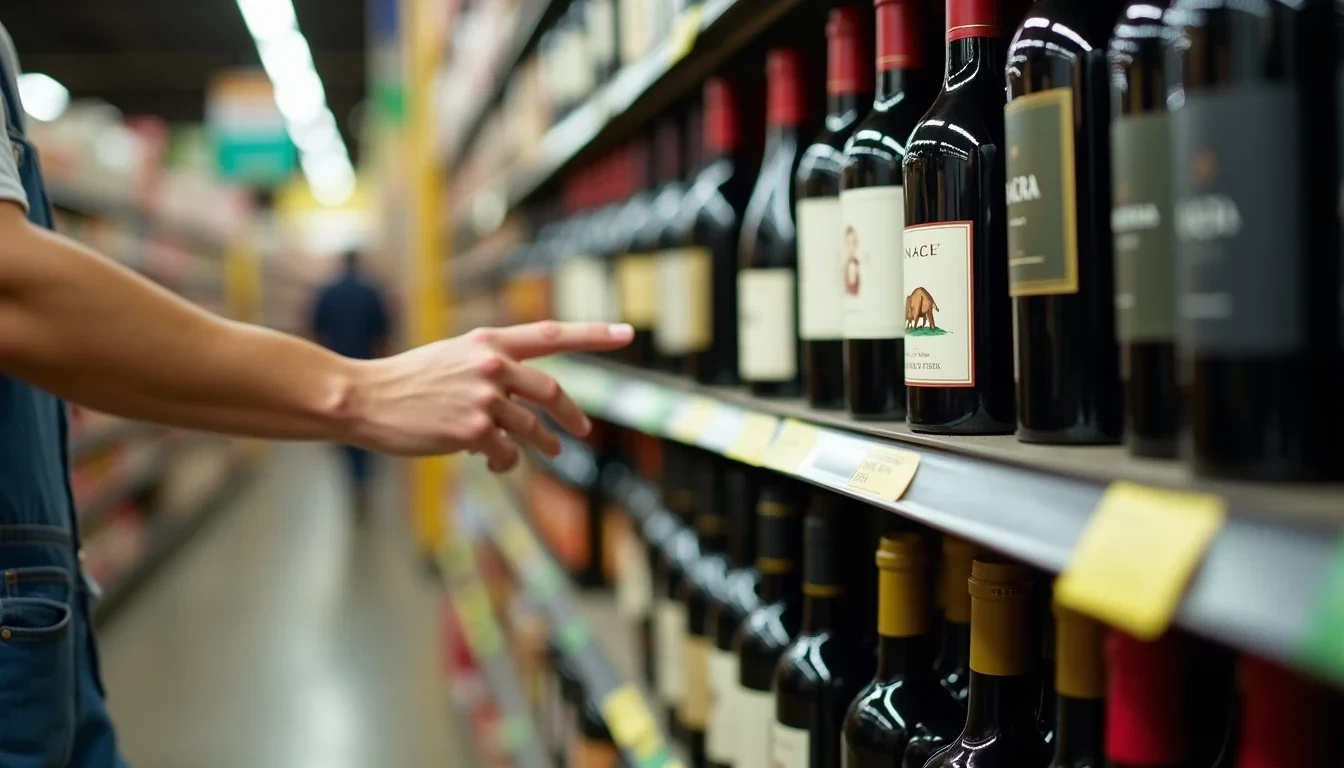
California wine tells a similar story, just in a quieter register. Canadian liquor boards and consumers have nudged attention toward domestic wine regions such as Niagara and the Okanagan, while also opening space for European imports. The logic is partly patriotic and partly practical. If the point is to reward local producers and avoid brands associated with an increasingly tense U.S. relationship, a bottle from Napa starts to look less like a treat and more like a choice with baggage.
That is the pattern to watch. Boycotts rarely begin with obscure targets; they begin with visible ones.
The political trigger is not subtle
Much of this energy comes from the same place that drives most consumer boycotts: grievance dressed up as moral discipline. On the Canadian side, lingering resentment over U.S. tariffs on steel and aluminum during the Trump years taught a simple lesson. Washington can preach open markets while punishing allies whenever it wants. Reciprocal consumer action was predictable. Canadians heard “America First” and answered with “buy Canadian.”
The more recent spark is ideological, not just commercial. The 2022 overturning of Roe v. Wade landed badly in Canada and across Europe. It looked like proof that the U.S. was drifting backward on rights many other wealthy democracies already treated as settled. For many foreign consumers, that decision signaled the kind of country the United States was becoming.
Foreign policy has the same effect. U.S. positions on Israel-Palestine, climate policy, and sanctions have repeatedly fed backlash abroad, especially where people already see Washington as heavy-handed. Once that feeling hardens, brands become the nearest available target.
Why this may outlast the current outrage
The strongest case for durability is generational. Younger consumers do not treat buying as a neutral act. A 2023 Deloitte survey found that 45 percent of Gen Z respondents had stopped buying from a brand over ethical concerns. This is not a marginal detail; it is a shopping culture.
Millennials and Gen Z are more likely to care about sourcing, labor, climate impact, and whether a company or country matches their stated values. They are also more fluent in the mechanics of boycott politics. They live inside social media, where a purchasing decision can be turned into a public identity almost instantly. A single viral thread can do what a decade of traditional activist organizing used to require.
That matters because the old model of consumer loyalty was built on inertia. You bought what your parents bought, or what was cheapest, or what was nearest. Younger buyers are far more willing to treat local sourcing as a principle instead of a premium. In Canada, that means domestic products can become morally legible in a way that foreign goods never quite recover from.
The trend is no longer just Canadian
Canada may be the cleanest example, but it is not the only one. Other countries are already tightening their posture toward U.S. services, especially in tech. India and Russia have pushed harder on data localization and restrictions tied to privacy and national security. China has been doing some version of that for years. The methods differ, but the direction is the same: reducing dependence on American platforms and making U.S. digital reach easier to block, tax, or contain.
The same impulse appears in media and food. Some markets are trying to diversify away from U.S. streaming services, Hollywood exports, and food imports in favor of local or regional alternatives. The motivation is not always anti-American in an emotional sense. Sometimes it is simply sovereign. If a government wants more control over data, cultural influence, or supply chains, American firms are the obvious place to start.
Washington should not dismiss this as symbolic. Symbols become systems when enough institutions act on them.
The real risk for the United States
If these boycotts stay limited to a handful of visible brands, the damage will be annoying but manageable. If they become a habitual filter for younger consumers abroad, the effects are larger and slower, which is exactly why they matter more. U.S. automakers, agricultural exporters, tech firms, and entertainment companies all depend on the assumption that foreign buyers will keep showing up even when they dislike American politics.
That assumption is getting shakier. A sustained shift away from U.S. brands would cut revenue and weaken the cultural reach that has long let the United States convert economic dominance into political influence. Soft power does not collapse in a single announcement. It erodes when people stop wanting what you sell.
There is also a broader geopolitical consequence. Countries that decide they can live with fewer American goods and services often start looking for other partners. That can mean more trade with the European Union, more defense autonomy, more supply chain diversification, and less willingness to accept U.S. leverage as the default condition of global commerce. The result is a more fragmented system, and a less America-centered one.
What survives the test
Many boycotts burn hot and fade. Convenience, price, and habit usually win in the end. But this one has more staying power than a typical consumer flare-up because it is rooted in identity, not just outrage. Canadian buyers are not only reacting to one administration or one policy dispute; they are reassessing what kind of relationship they want with the United States itself.
That is a deeper change. It may not produce a clean break, and it may not arrive evenly across markets, but it does point in one direction. The U.S. is discovering that access is not the same thing as loyalty.